
UK Employment Law Changes 2026: What Employers Need to Know
Key changes we cover are:
Statutory Sick Pay |
Day-One Rights to Family Leave |
Increased Statutory Pay Rates and Minimum Wage |
The New Fair Work Agency |
Enhanced Whistleblowing Protections |
Statutory Sick Pay | Day-One Rights to Family Leave | Increased Statutory Pay Rates and Minimum Wage | The New Fair Work Agency | Enhanced Whistleblowing Protections |

As we head into 2026, UK employers are facing one of the biggest waves of employment law change in recent years.
The first half of the year will see number of reforms come into force affecting pay, sickness absence, family leave, compliance and enforcement.
These changes will need proper planning, payroll updates, manager training and clear communication with employees to avoid disruption (and unwanted surprises).
Here is a practical, plain-English overview of what’s changing, what it means day to day, and how you can start preparing now.
1. Statutory Sick Pay Reform – A Big Change for Employers
Effective: April 2026
One of the most significant changes coming in 2026 is the overhaul of Statutory Sick Pay (SSP).
What’s changing?
From April 2026:
SSP is payable from day one of sickness absence
The Lower Earnings Limit is removed, meaning many more workers will qualify
SSP increases to £123.25 per week, payable for up to 28 weeks
At the moment, SSP only kicks in after a waiting period and excludes many lower-paid workers. This reform widens eligibility considerably and increases cost exposure for employers.
What this means in practice
Higher short-term absence costs, particularly in workplaces with high sickness levels or lower-paid roles
More pressure on payroll and HR systems to get payments right from day one
A real need to ensure sickness policies are up to date, fair and lawful
What should you do now?
Review payroll systems well ahead of April 2026 to ensure they update correctly
Update sickness absence and sick pay policies to reflect the changes
Train managers on how to manage short-term absence consistently
This change alone makes early preparation essential.

2. Day-One Rights to Family Leave
Effective: April 2026
Another important shift is the introduction of day-one rights for certain family-related leave.
What’s changing?
From April 2026:
Paternity leave becomes a day-one right
Unpaid parental leave will also be available from day one
This removes the current qualifying service requirements, meaning employees can access these rights immediately after joining.
What this means in practice
Leave requests may arise much earlier than employers are used to — including during probation
Policies and contracts referring to qualifying service will need updating
Managers need clarity to avoid accidentally refusing valid leave requests
What employers should do now
Review and update family leave policies and employment contracts
Ensure onboarding materials reflect day-one entitlements
Provide managers with clear guidance on how to respond to requests
Handled well, these changes can support trust and retention — but only if managers understand the rules.
3. Increased Statutory Pay Rates and Minimum Wage Changes
Effective: April 2026
We’re used to April bringing changes to statutory rate changes, but the scale of increases in 2026 will be felt by many employers.
What’s changing?
From 1 April 2026:
National Living Wage (21+): £12.71 per hour (up from £12.21)
NMW (18–20): £10.85 per hour (up from £10.00)
NMW (16–17): £8.00 per hour
Apprentice rate: £8.00 per hour
Statutory maternity, paternity, adoption and other family pay rates rise to £194.32 per week (or 90% of earnings if lower)
What this means in practice
Payroll systems must be updated accurately and on time
Employers may need to review pay differentials for roles close to minimum wage
There is likely to be media coverage of these changes so ensure affected staff know you’re ahead of the game
What employers should do now
Confirm new rates with payroll providers early
Review salaries near minimum wage thresholds
Communicate pay changes clearly to employees
4. The New Fair Work Agency – Stronger Enforcement
Effective: April 2026
April 2026 also sees the launch of the Fair Work Agency, designed to strengthen enforcement of key employment rights.
What will the Fair Work Agency do?
The agency will have powers to:
Enforce minimum wage compliance
Monitor holiday pay, sick pay and statutory rights
Investigate non-compliant employers
Issue penalties where breaches are found
The focus is shifting away from reactive complaints and towards proactive enforcement.
What this means in practice
A higher likelihood of inspections and audits once the Agency is fully established
Less tolerance for informal or “we’ve always done it this way” approaches
Increased importance of accurate records and up-to-date documentation
What employers should do now
Review contracts, handbooks and pay records
Address any historic compliance gaps
Ensure managers understand legal minimums
Good intentions aren’t enough - you’ll need to evidence compliance.
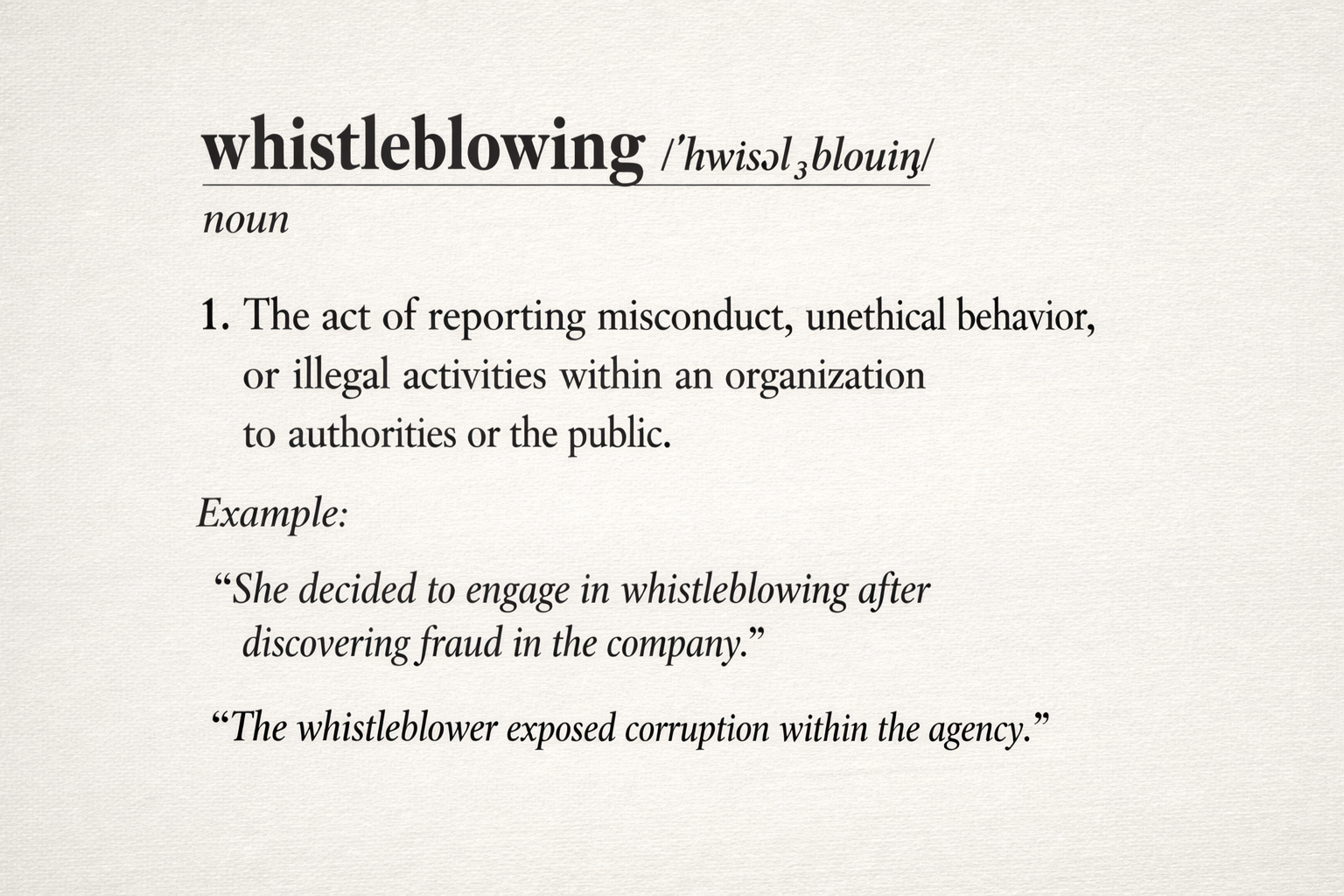
5. Enhanced Whistleblowing Protection
Effective: April 2026
Whistleblowing law is also expanding, with a specific focus on workplace behaviour.
What’s changing?
From April 2026 Sexual harassment will explicitly qualify as a protected disclosure under whistleblowing legislation
This increases protection for employees and raises the stakes for employers who fail to respond appropriately.
What this means in practice
Issues previously handled as grievances may now fall under whistleblowing law
Mishandling concerns could lead to greater legal risk
Confidentiality, neutrality and good record-keeping will be critical
What employers should do now
Review whistleblowing and grievance policies and update accordingly
Make reporting routes clear
Train managers on handling sensitive disclosures properly
This change reinforces the importance of addressing concerns early — and properly.
Preparing for 2026: A Sensible, Practical Approach
With key changes due in April 2026, it might still seem some way off — but to be in a strong position when the changes take effect, the groundwork should be laid well in advance. There are still more changes to come!
Key areas to focus on now include:
Policy and contract reviews
Payroll readiness and testing
Manager training
Clear, timely communication with employees
More people will have access to workplace rights, and employers will be expected to follow clearer standards — with tougher enforcement where things fall short.
The good news is that, with early planning, you can avoid common pitfalls and take the opportunity to implement the changes smoothly, strengthening trust with your teams.
If you’d like support reviewing policies, updating contracts, or preparing your managers for what’s ahead we are here for you. Now is a great time to get started — it will be April before you know it!